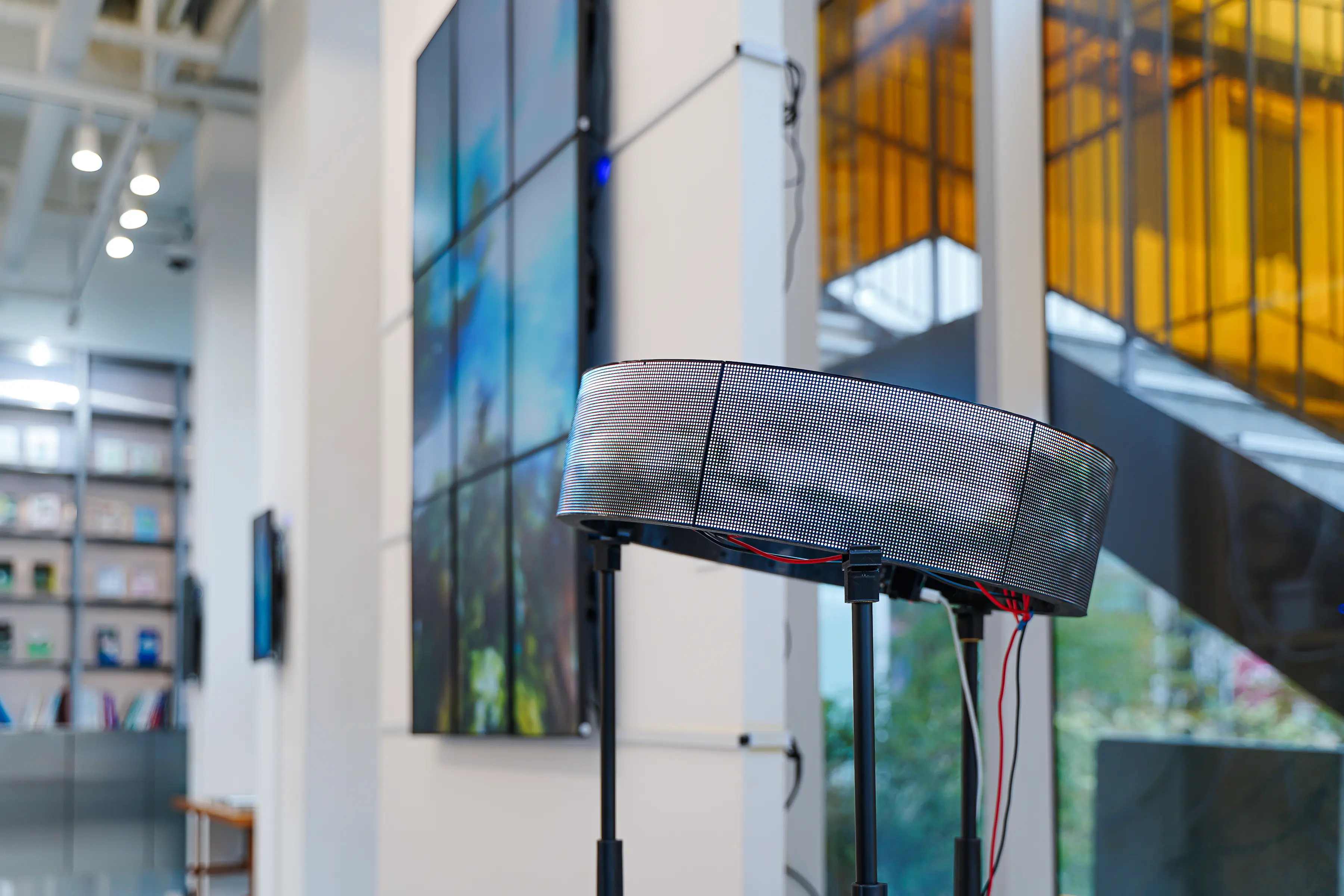
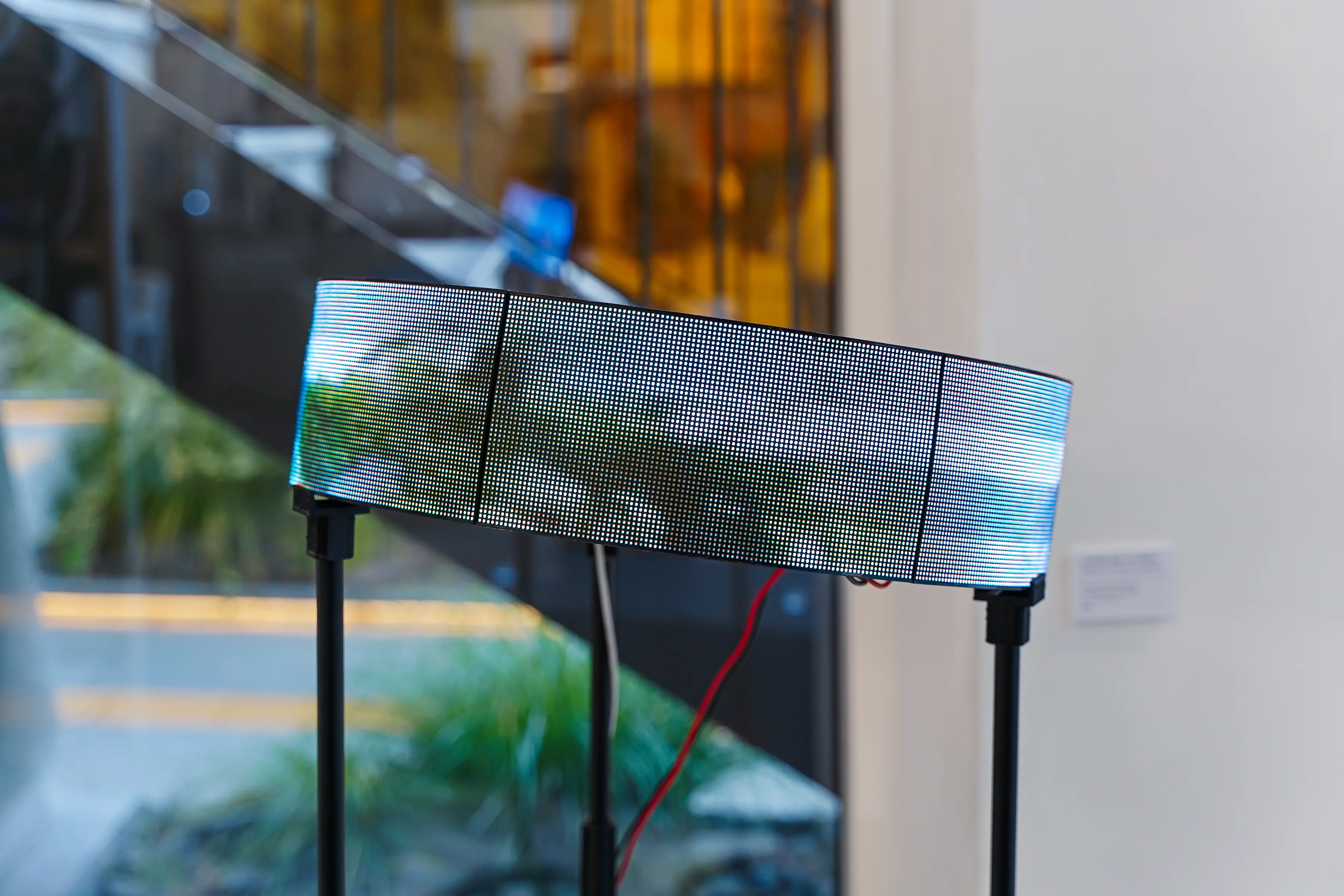
Newborn (Space) v2
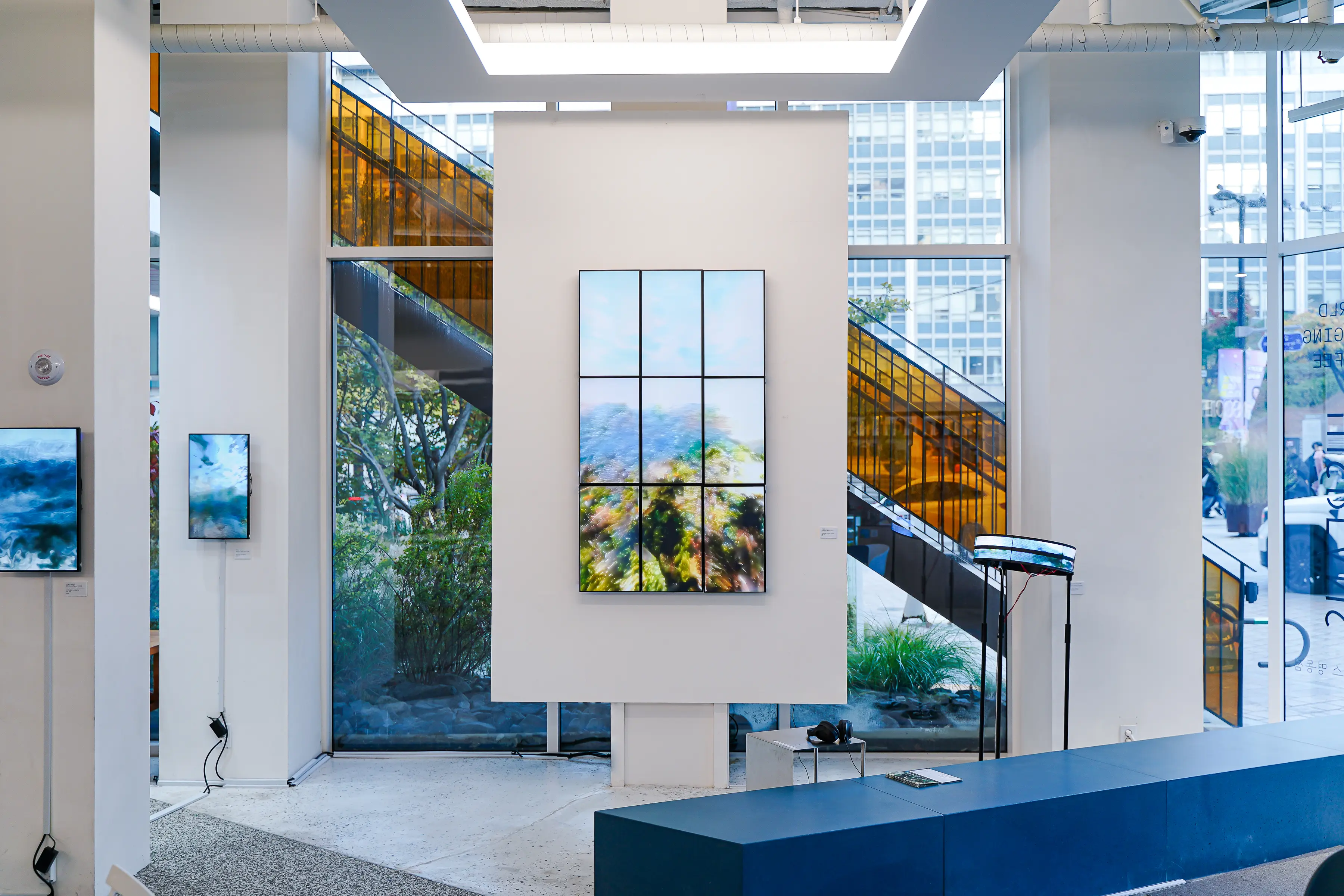
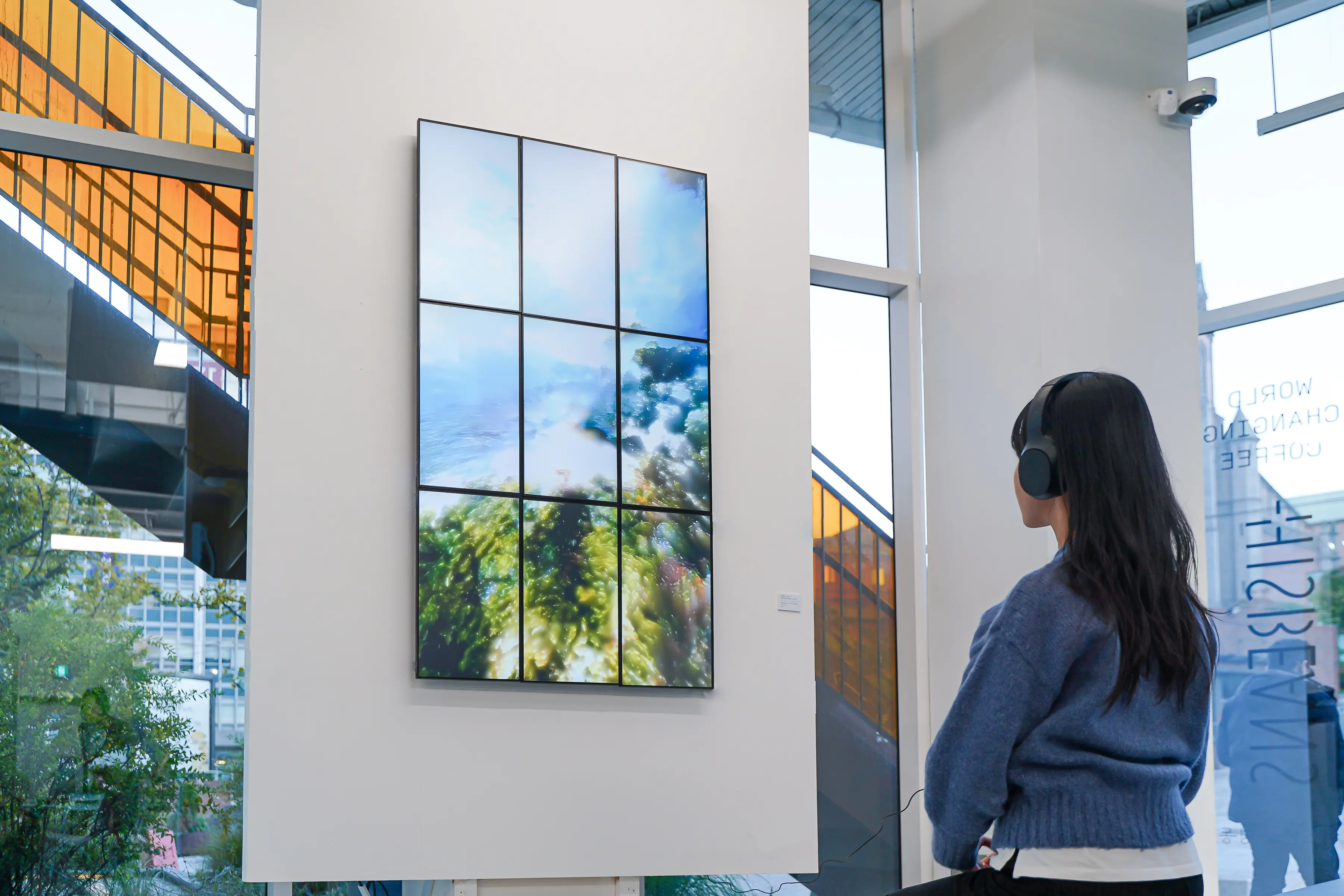
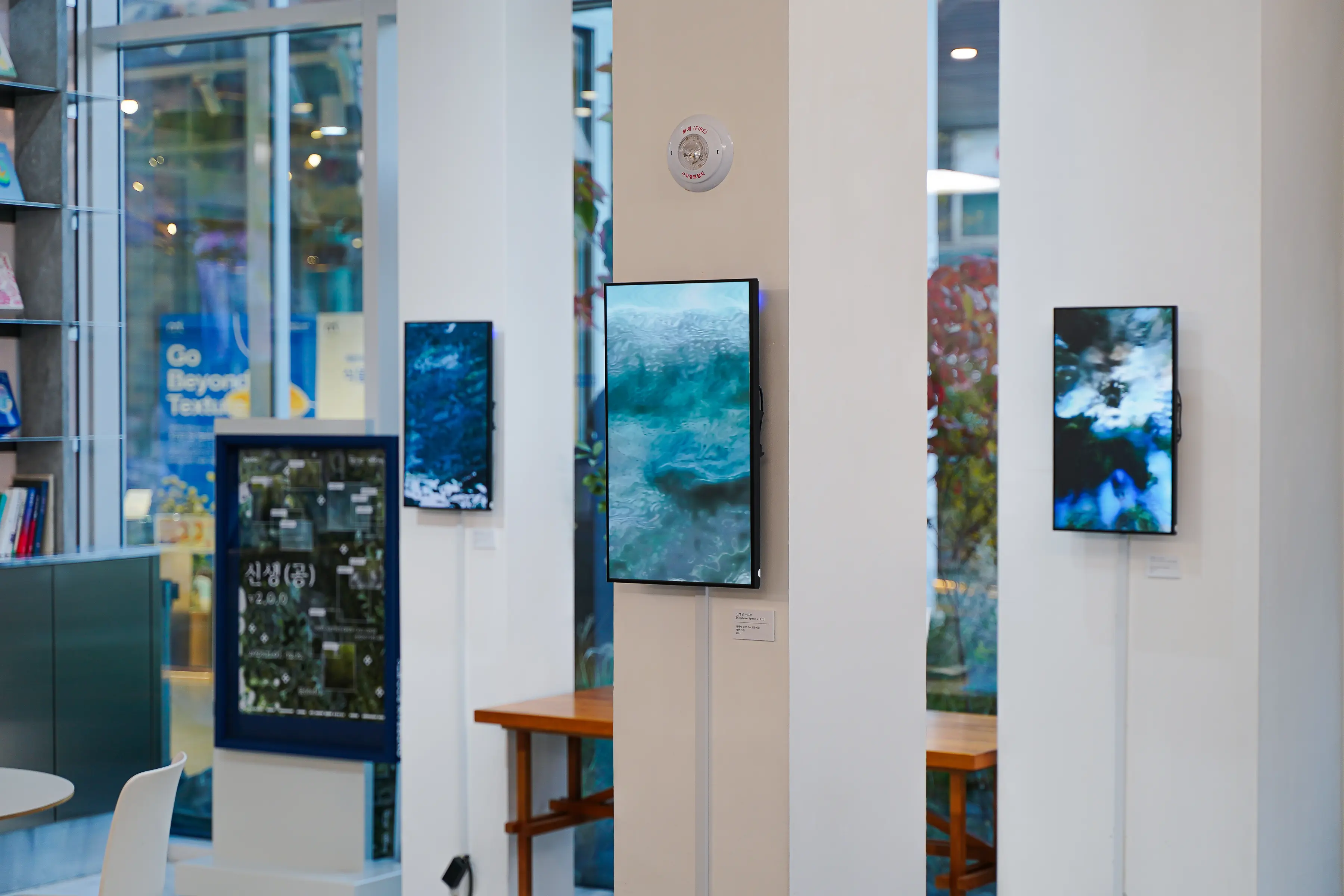
《Newborn (Space) v2》 is part of the “Newborn” project, which utilizes contemporary technology to predict and realizefuture cultural trends. It showcases the evolving nature of space within the context of technological advancement. Through the Newborn Space series, where spaces are rendered solely through sound via AI trained on visual and auditory data, the work proposes a survival strategy for physical spaces in an era of rapid technological development.
As technology advances, we increasingly inhabit perceptual virtual spaces rather than physical ones, encountering limitless possibilities unbound by physical laws or bodily limitations. Over time, however, while virtual spaces continue to proliferate and be consumed, physical spaces are losing their differentiation. Unlike the virtual, which offers new experiences through its digital mutability, physical spaces are constrained by numerous limitations and may gradually lose their significance, threatening their very existence. In this era of transformation, physical spaces must evolve into new forms that offer experiences virtual spaces cannot provide to find meaning in their continued survival. In this exhibition, the artist employs AI as a tool to explore these possibilities.
The work <Newborn Space> presents spaces constructed entirely through sound, utilizing AI trained on visual and auditory data collected from over 140 locations, including Seoul, Busan, Berlin, and Amsterdam. By reconstructing space solely through auditory means, the work departs from our reliance on vision, suggesting new possibilities yet to be discovered. It offers fragmented glimpses of future spaces where the physical and virtual overlap, envisioning a future shaped by the rapid evolution of technology. The progression of this series—from the abstract, indeterminate forms of <Newborn Space v1.0.0>(2023) to the more defined spaces of <Newborn Space v2.0.0>(2024)—embodies a journey toward increasingly concrete representations. This evolution reflects the accelerating pace of technology and guides our cultural adaptation to this swift transformation.