NEWBORN SPACE
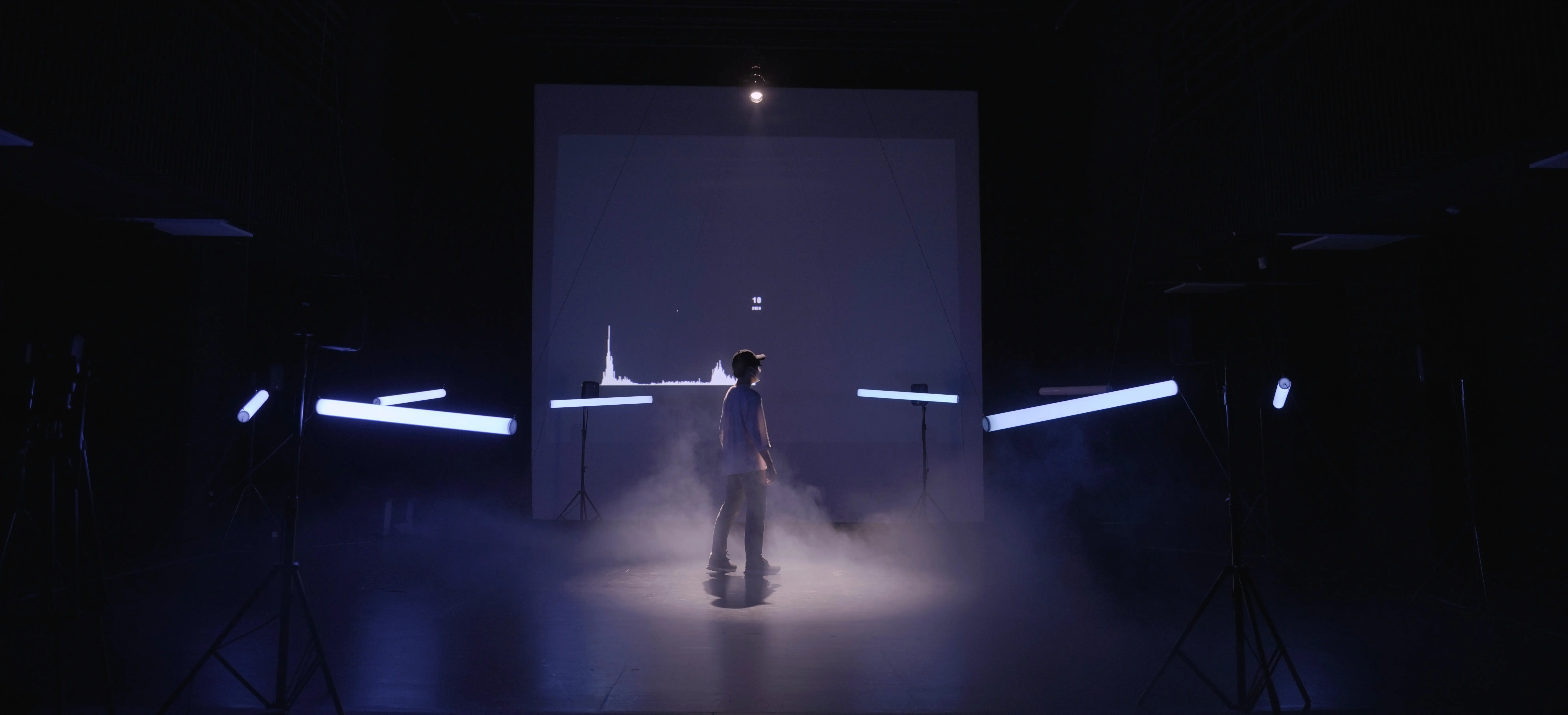
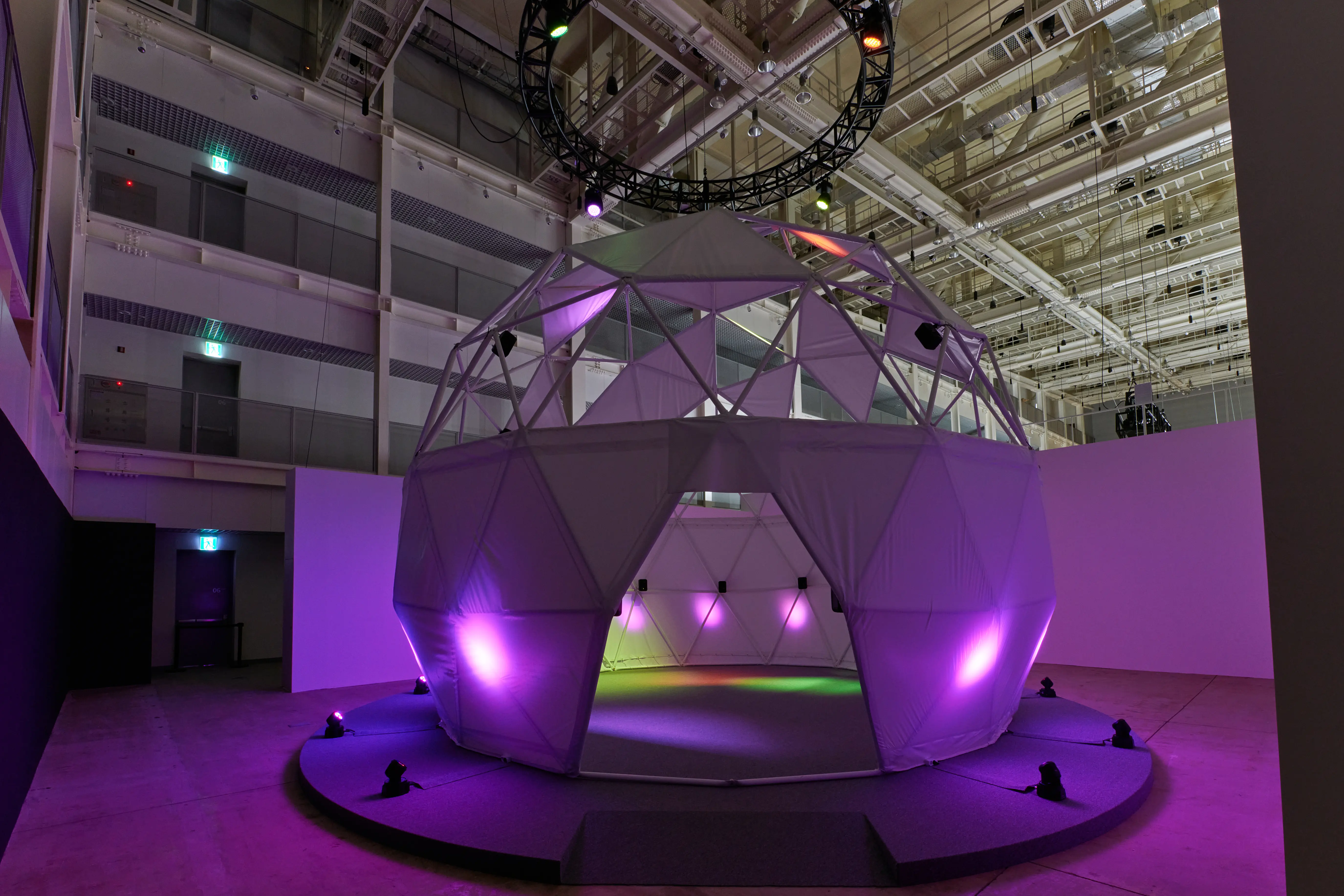
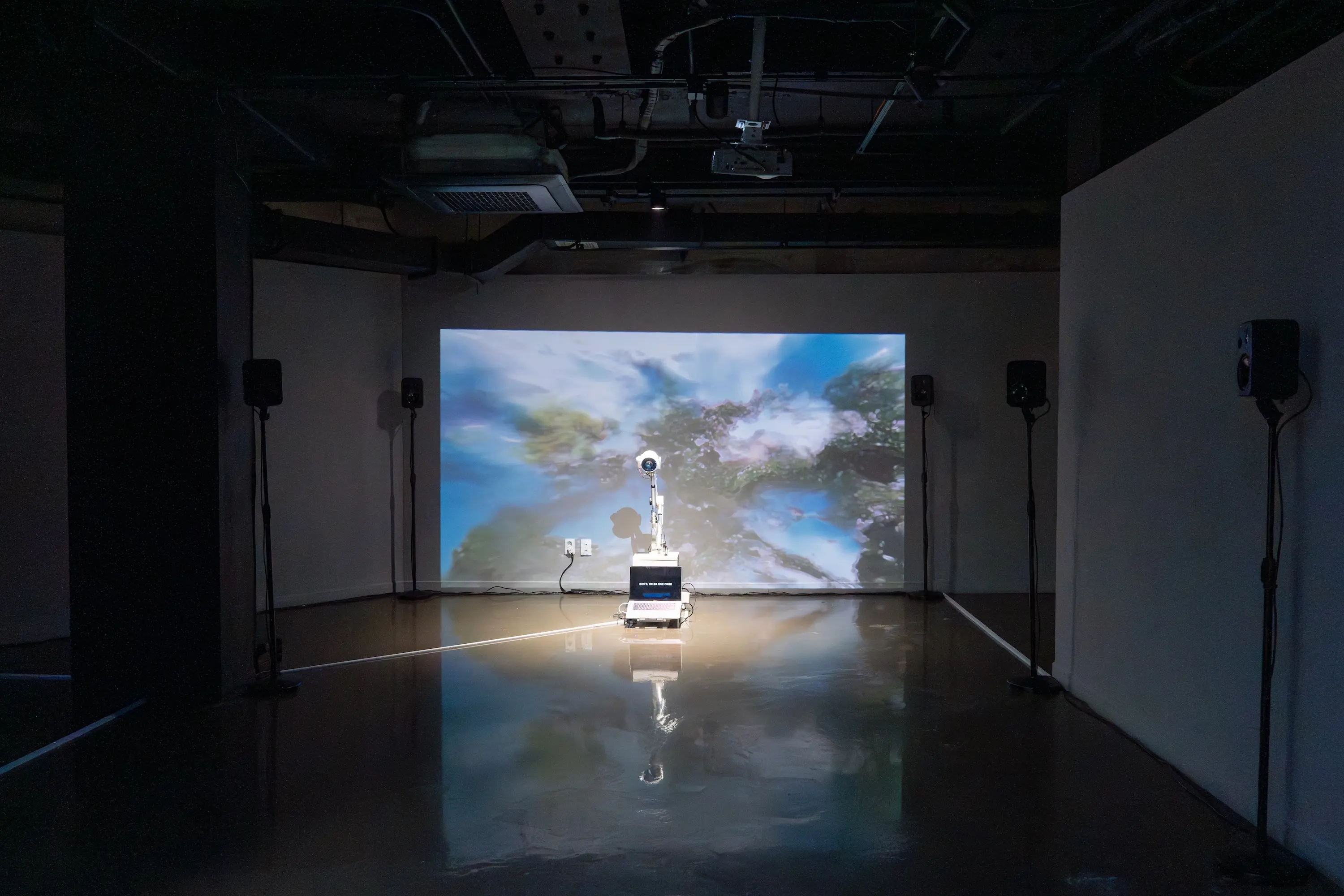
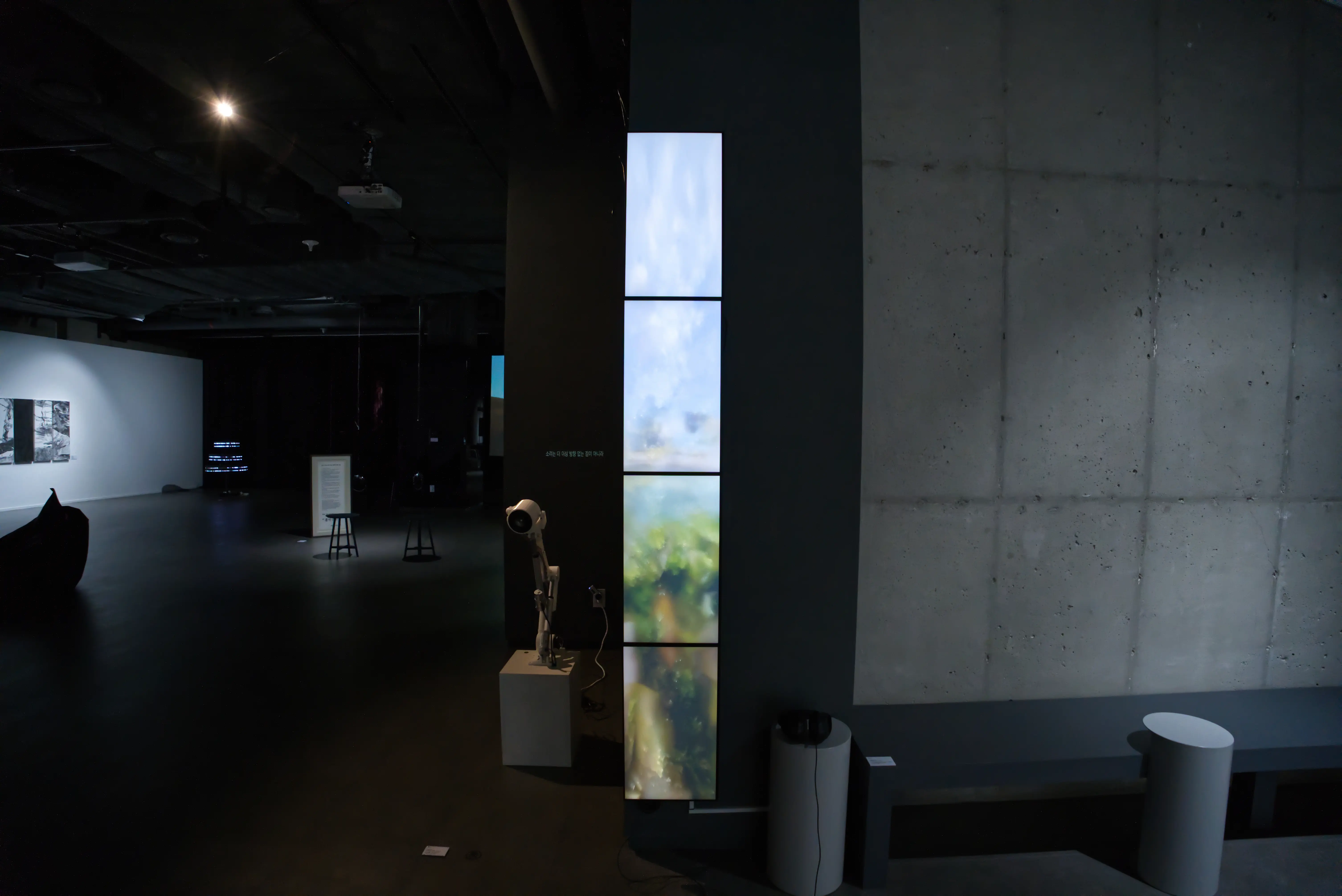
The 'Newborn Space' project is an artistic endeavor aiming to subvert the rigid, vision-centric perception of space and rediscover its essence through the historically marginalized sense of hearing.
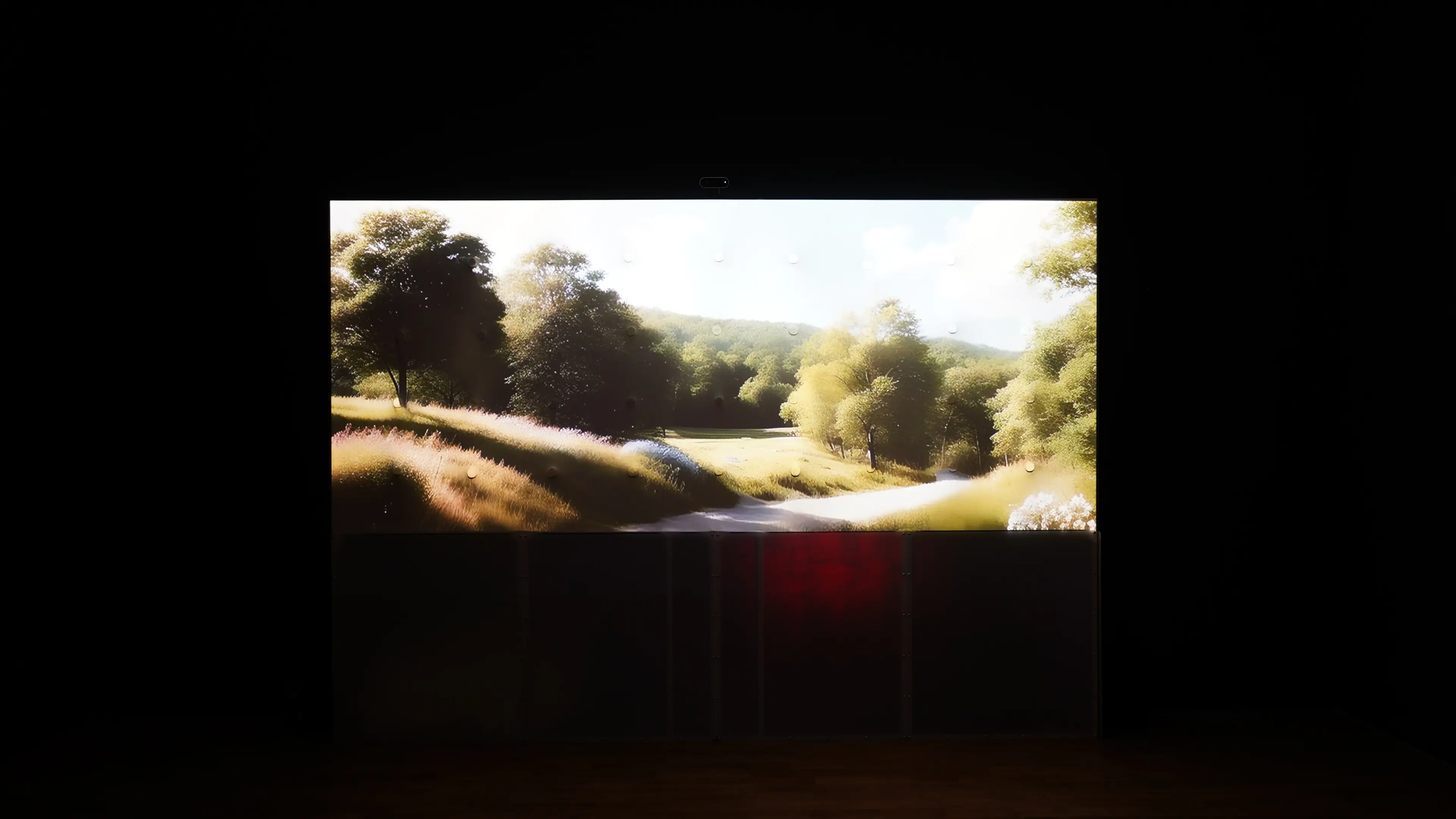
This project brings the auditory layers of space—which we perceive but often fail to consciously register—to the foreground, visualizing the flip side of space as perceived by sound rather than its visible physical form. In the current era, where engagement in digital and virtual spaces has surged post-pandemic, attributing invisible auditory value to physical space serves as a form of 'spatial upcycling' that reinterprets and adds value to familiar everyday environments. Unlike physical space which maintains a fixed form, the fluid space of 'Newborn Space' constantly changes and generates in response to ambient sounds. This offers the audience a synesthetic expansion beyond the visual, providing an opportunity to rethink the very concept of space itself.
NEWBORN LANGUAGE
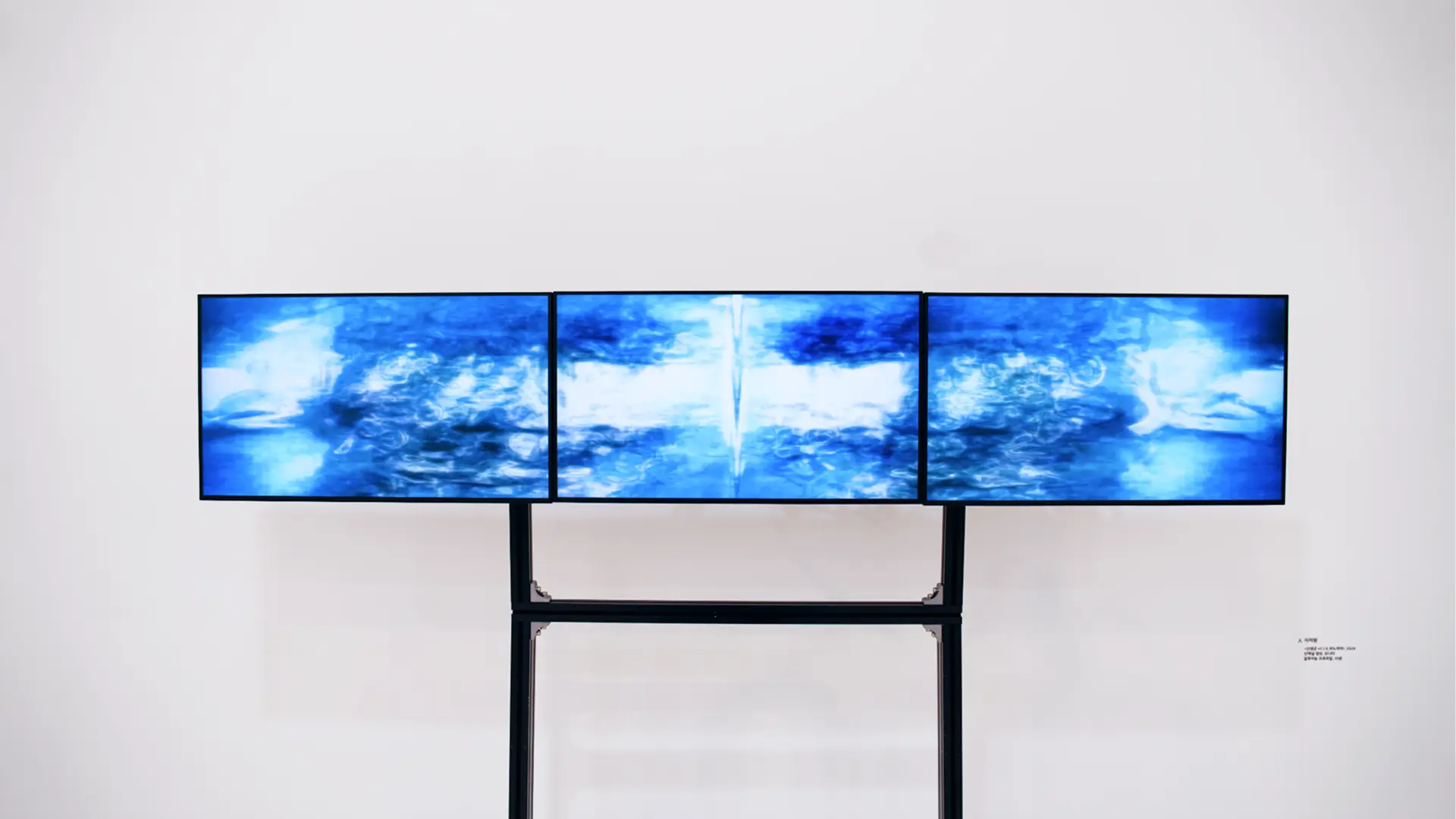
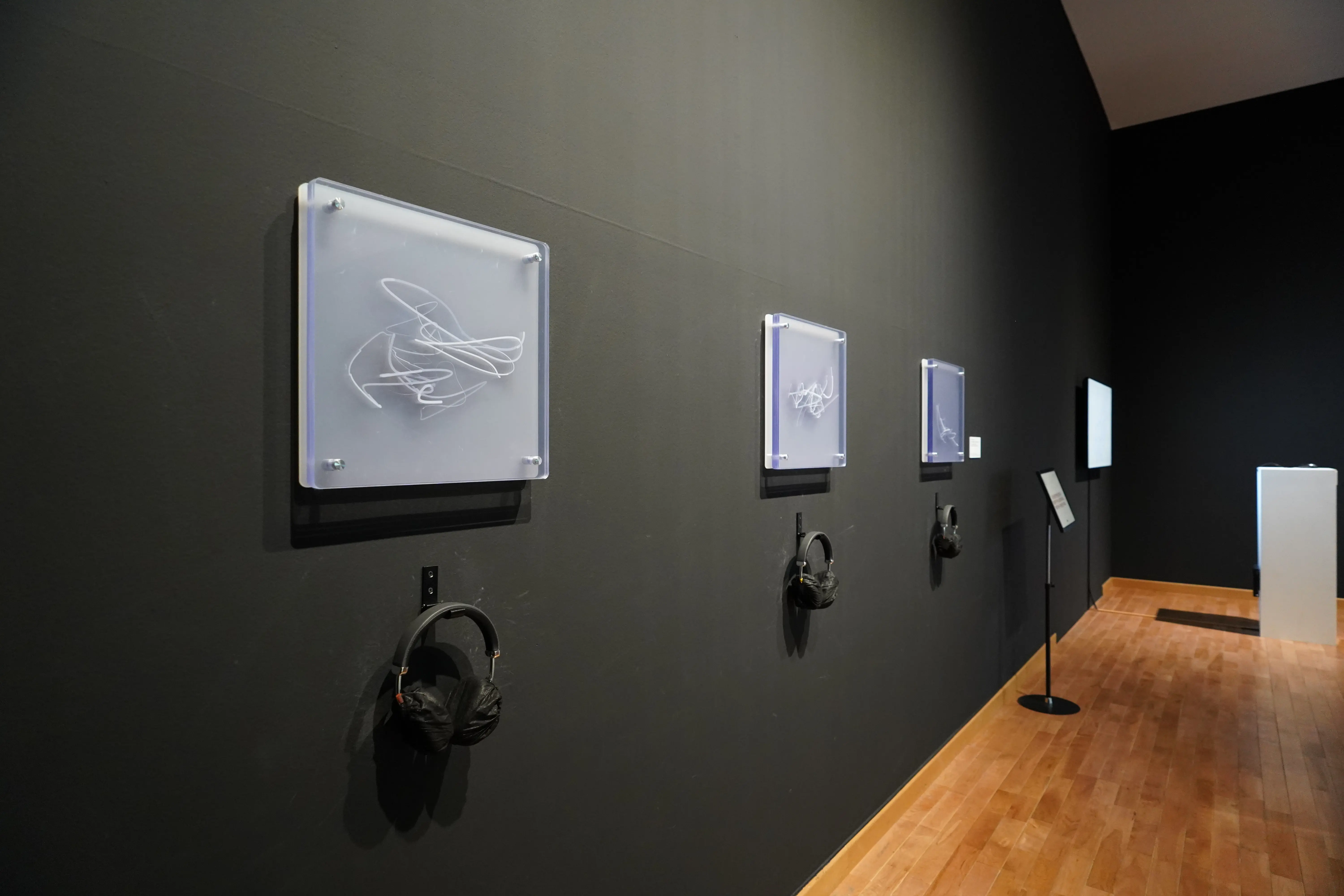
The 'Newborn Language' project proposes and explores a new form of language—'stereoscopic language'—that aligns with the rapidly changing technological environment and the consequently expanded concept of space.
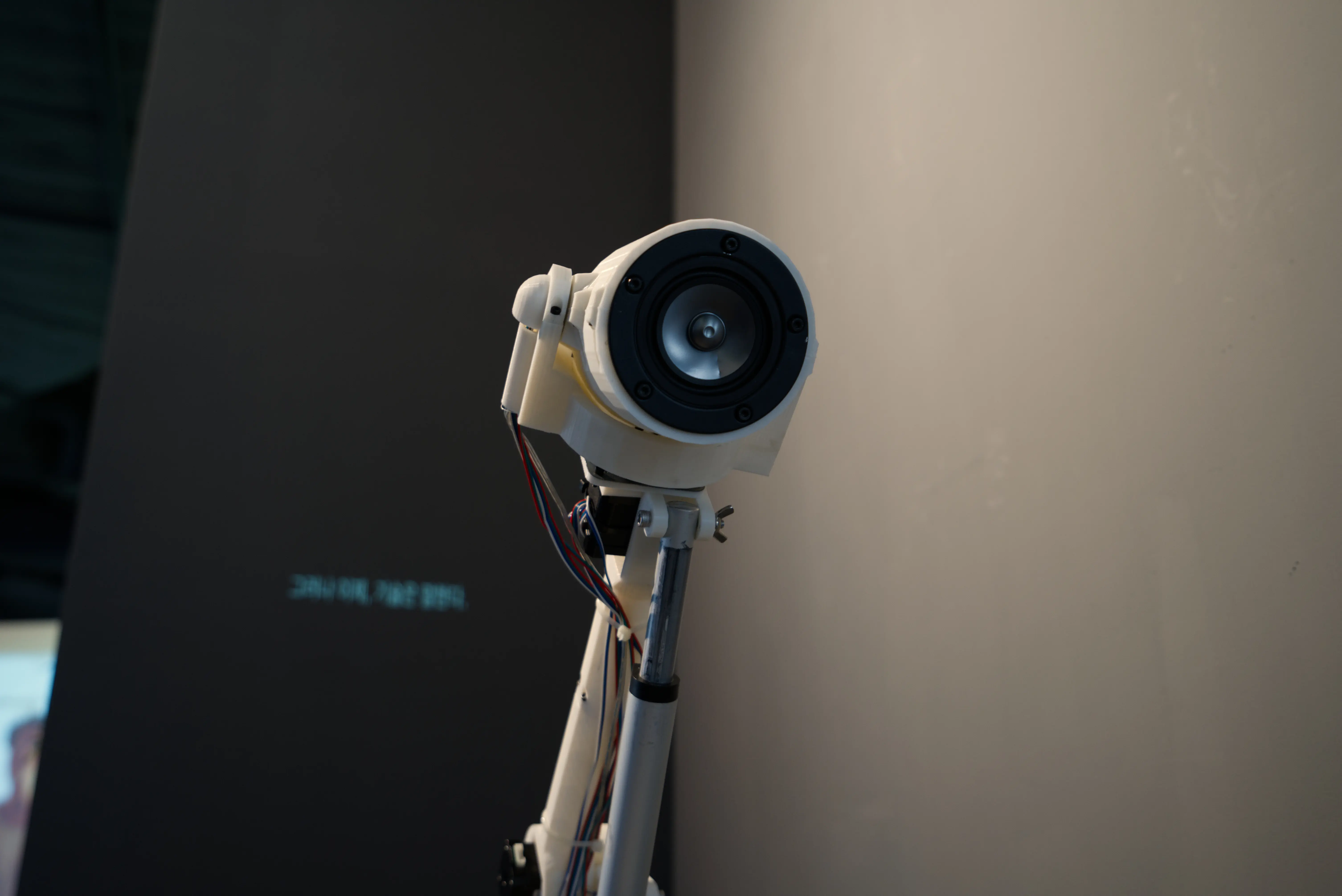
Historically, human language has been bound by physical limitations, persisting in forms constrained to 'writing' recorded on a 2D plane or 'speech' originating from a single fixed point. However, as the dimensionality of media expands into 3D through the widespread adoption of Virtual Reality (VR), Augmented Reality (AR), and spatial audio technologies, the language used within these realms has reached a juncture where it must inevitably acquire stereoscopic properties. Language that secures physical depth and spatiality enables the expression of subtle emotions and complex layers of meaning that flattened text or monotonous voice cannot convey; this signifies a revolutionary expansion of language's essential functions—recording and transmitting information—going beyond a mere shift in communication tools. Centered on the three axes of 'Speech,' 'Writing,' and 'Conversation,' this project establishes a new articulation system that imbues meaning into the trajectory of sound using AI trained on multilingual data and spatial audio, and researches hardware capable of physically realizing characters floating in 3D space, thereby experimenting with the tangible possibilities of a future language where technology and culture converge.
CHOWONJI ARCHITECT
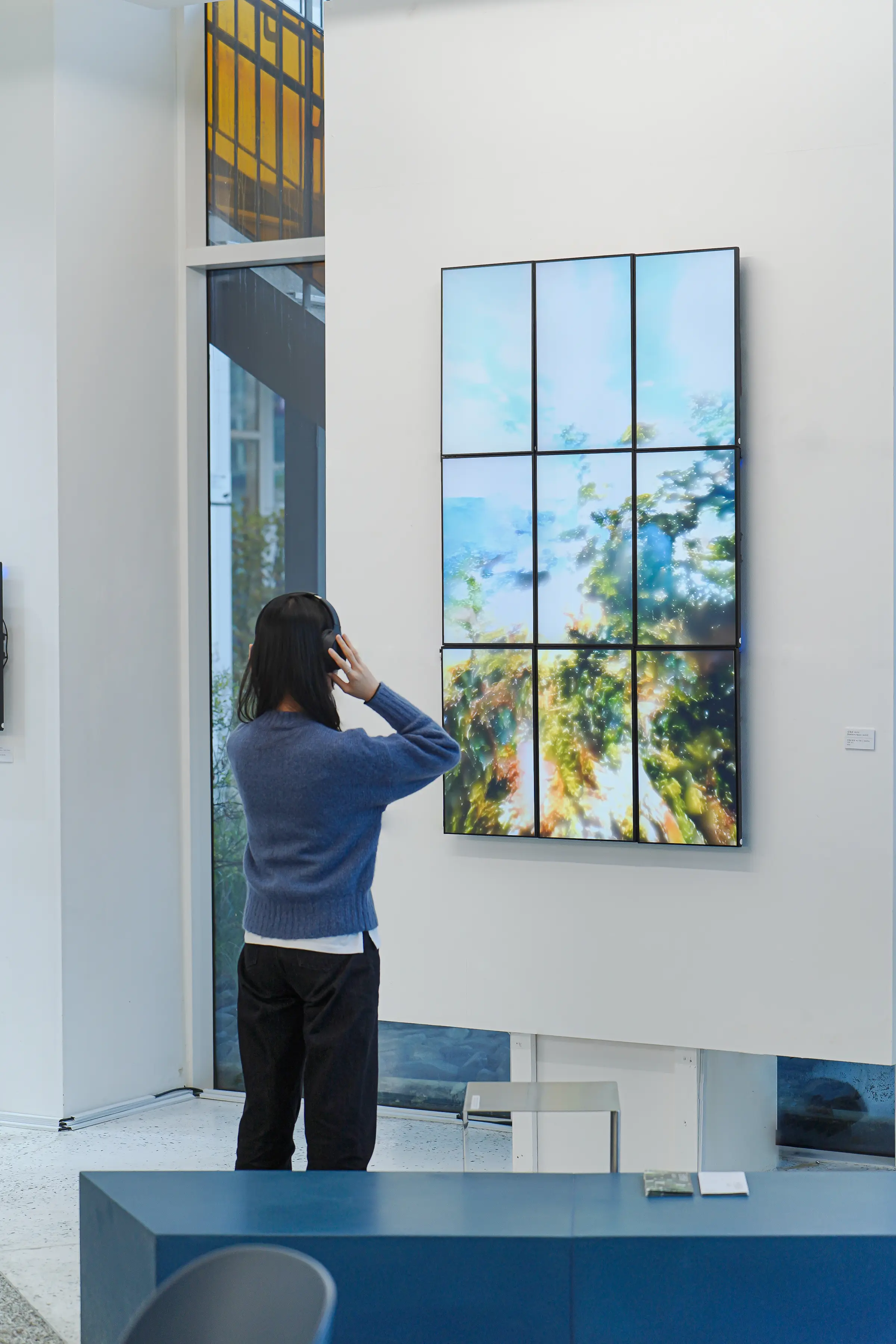
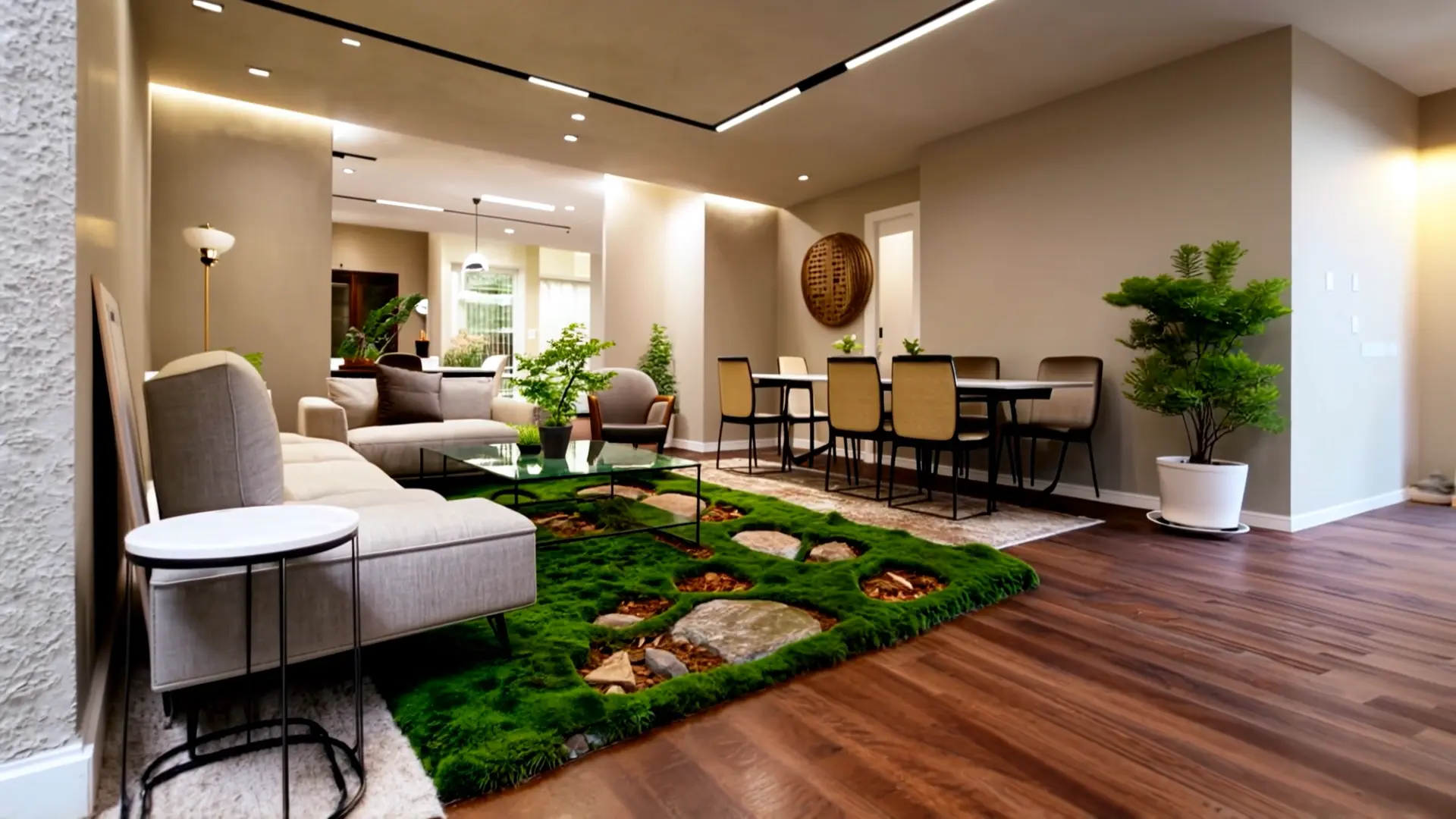
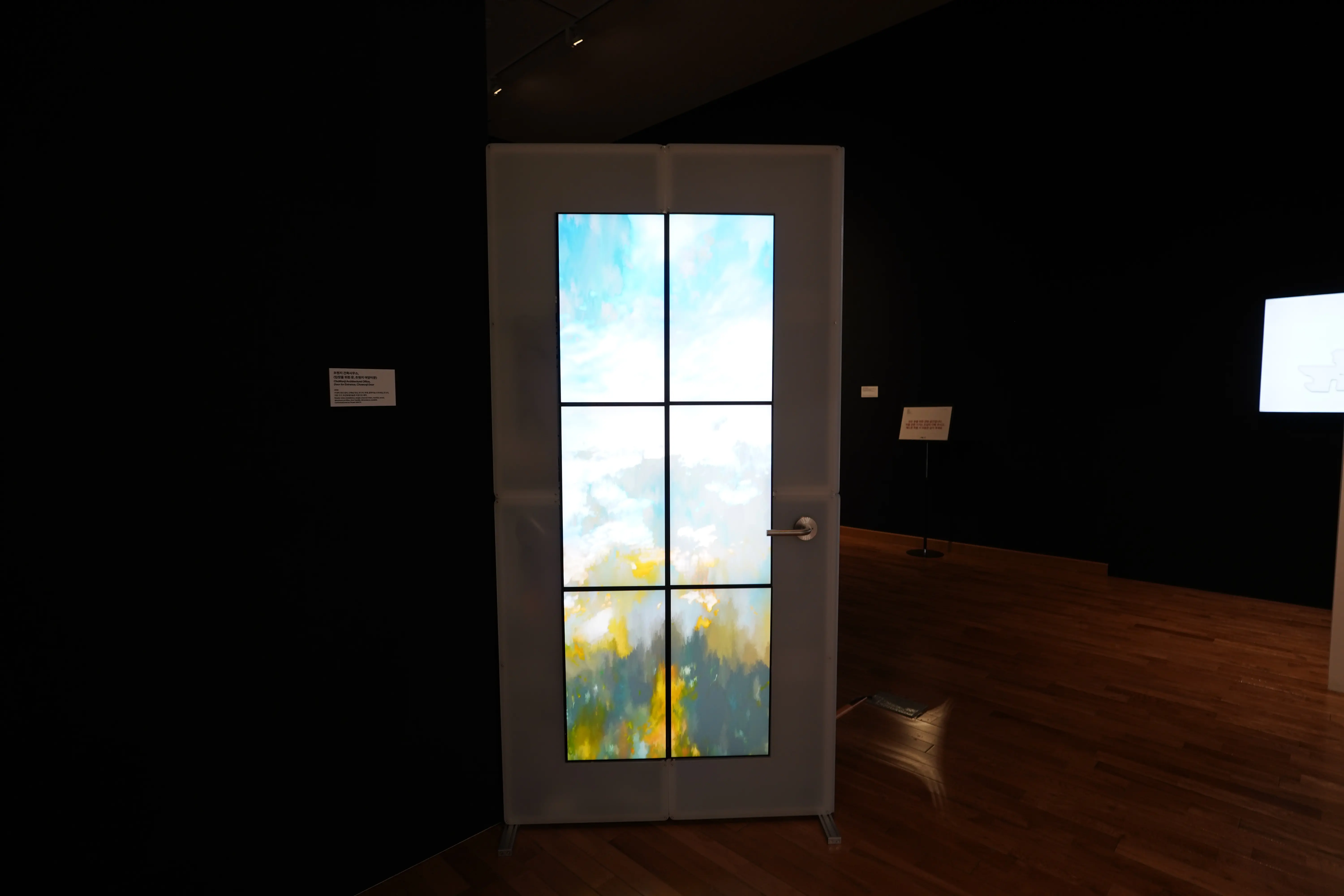
'CHOWONJI Architects' is a project that utilizes a fictional persona to explore the latent potential of nature within the urban environment. Rather than overlaying external sounds, it proposes 'Acoustic Remodeling,' a methodology that derives the imagery of nature directly from urban noise data.
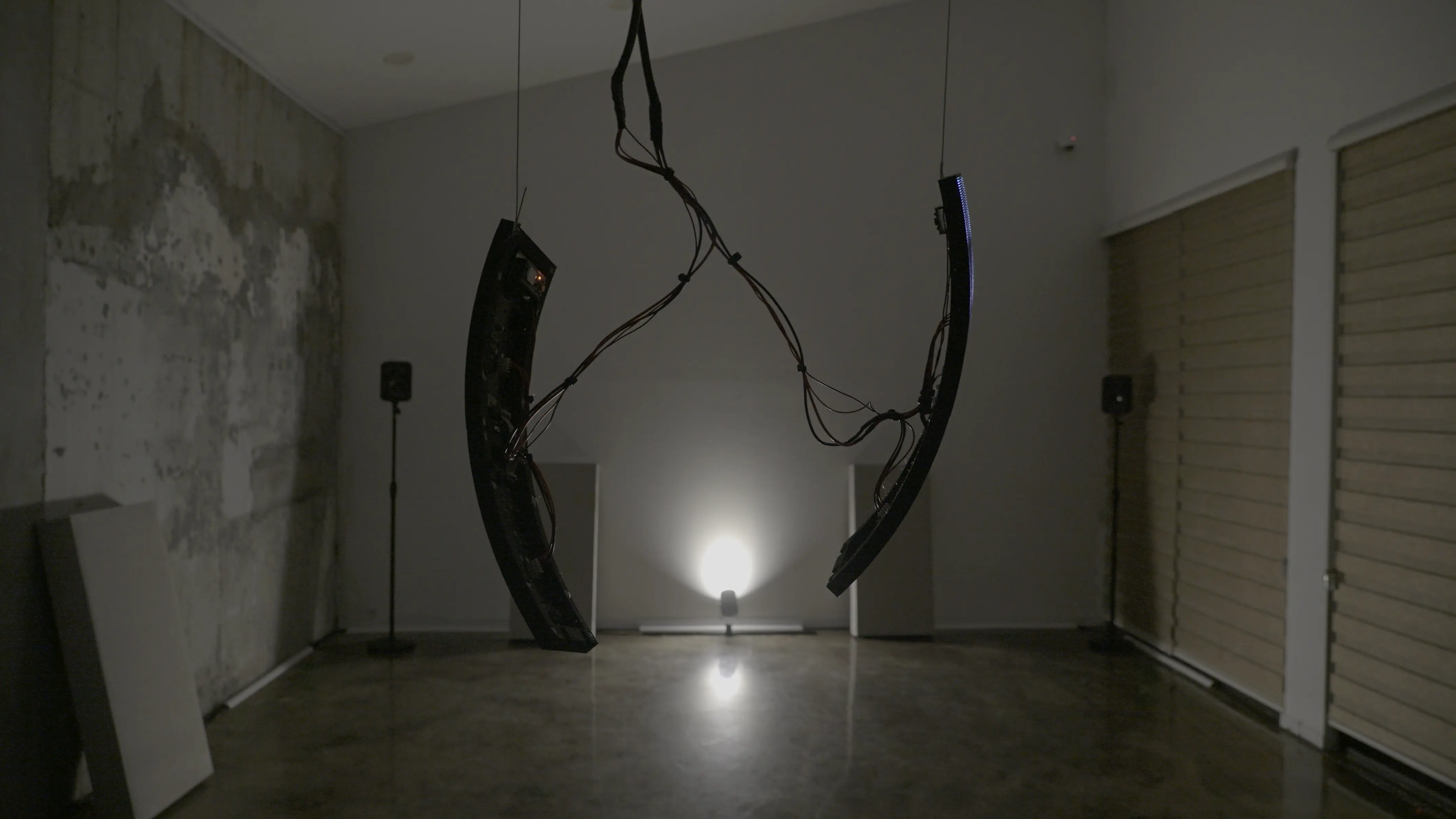
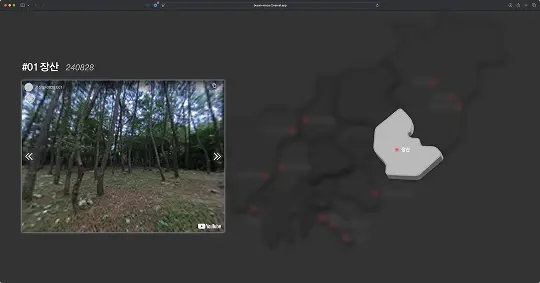
Using field recordings from stark urban settings like train stations and roads as input, the project extracts patterns of lost forests and oceans to auditorily reconstruct the space. This process serves as proof of the ecological recovery potential embedded in the current city and proposes a hopeful vision for the direction in which our urban environments should evolve. The exhibition organically integrates this architectural vision through AI branding films, data archiving, and sound installations.
DATA SONIFICATION
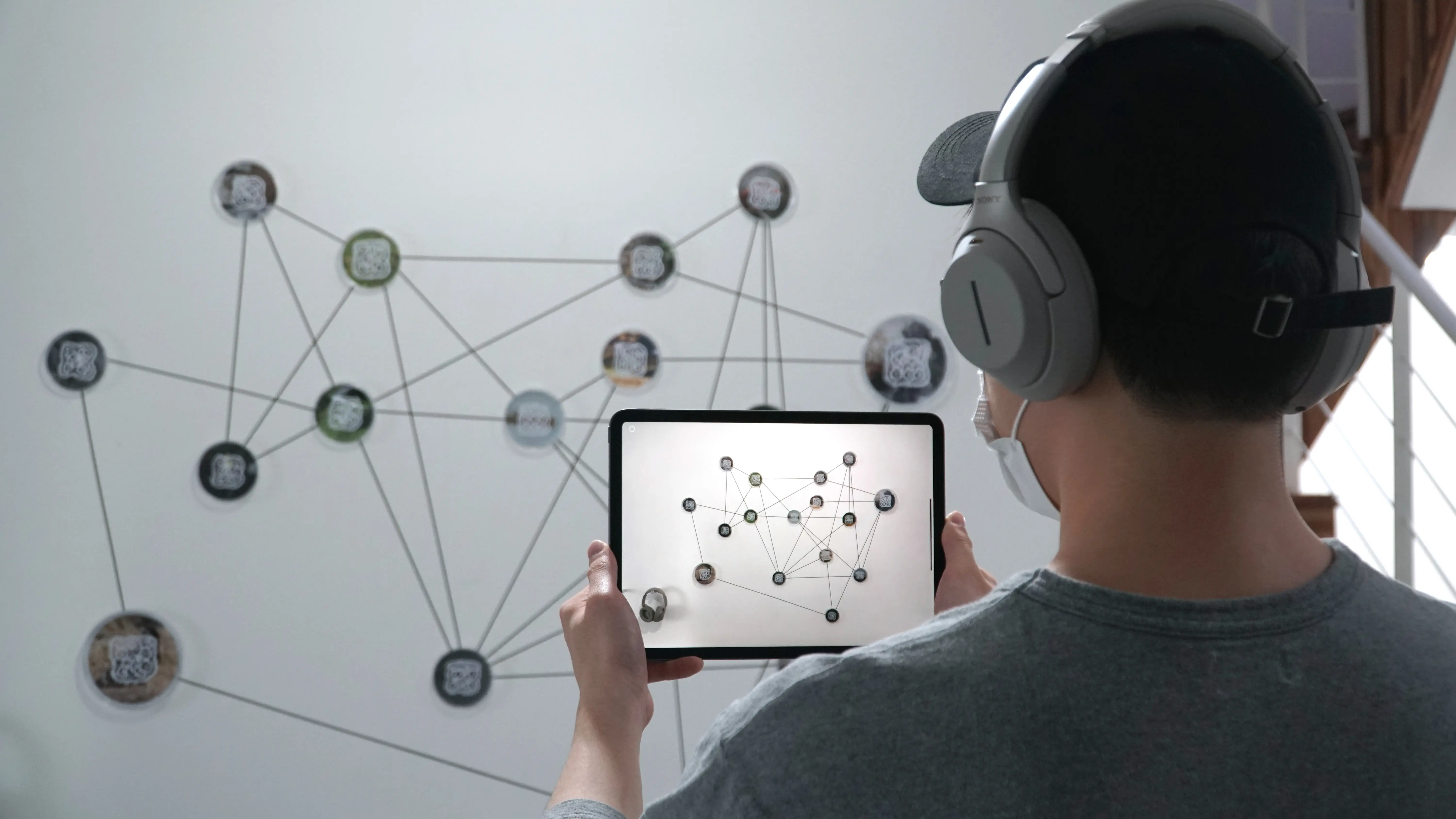
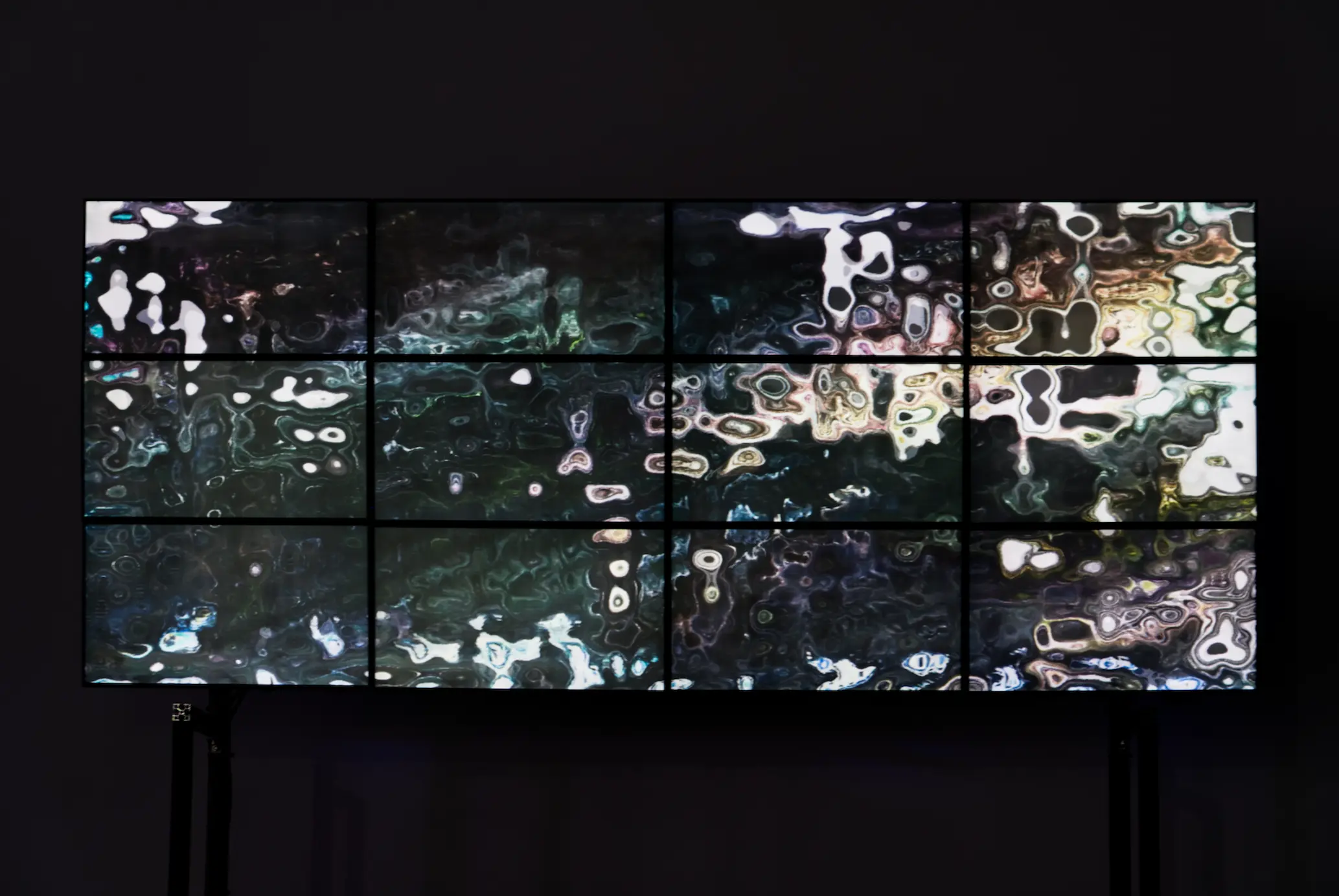
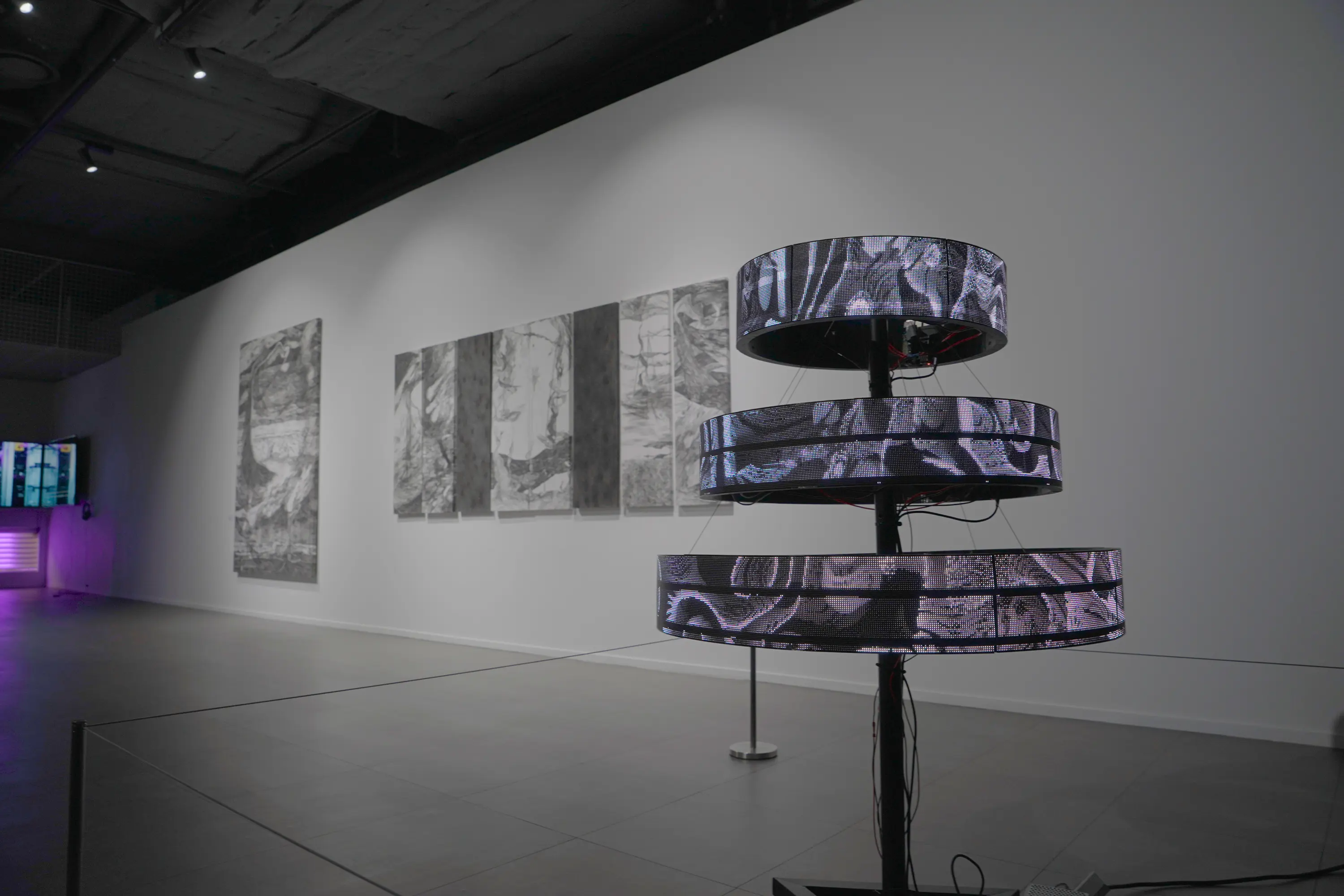
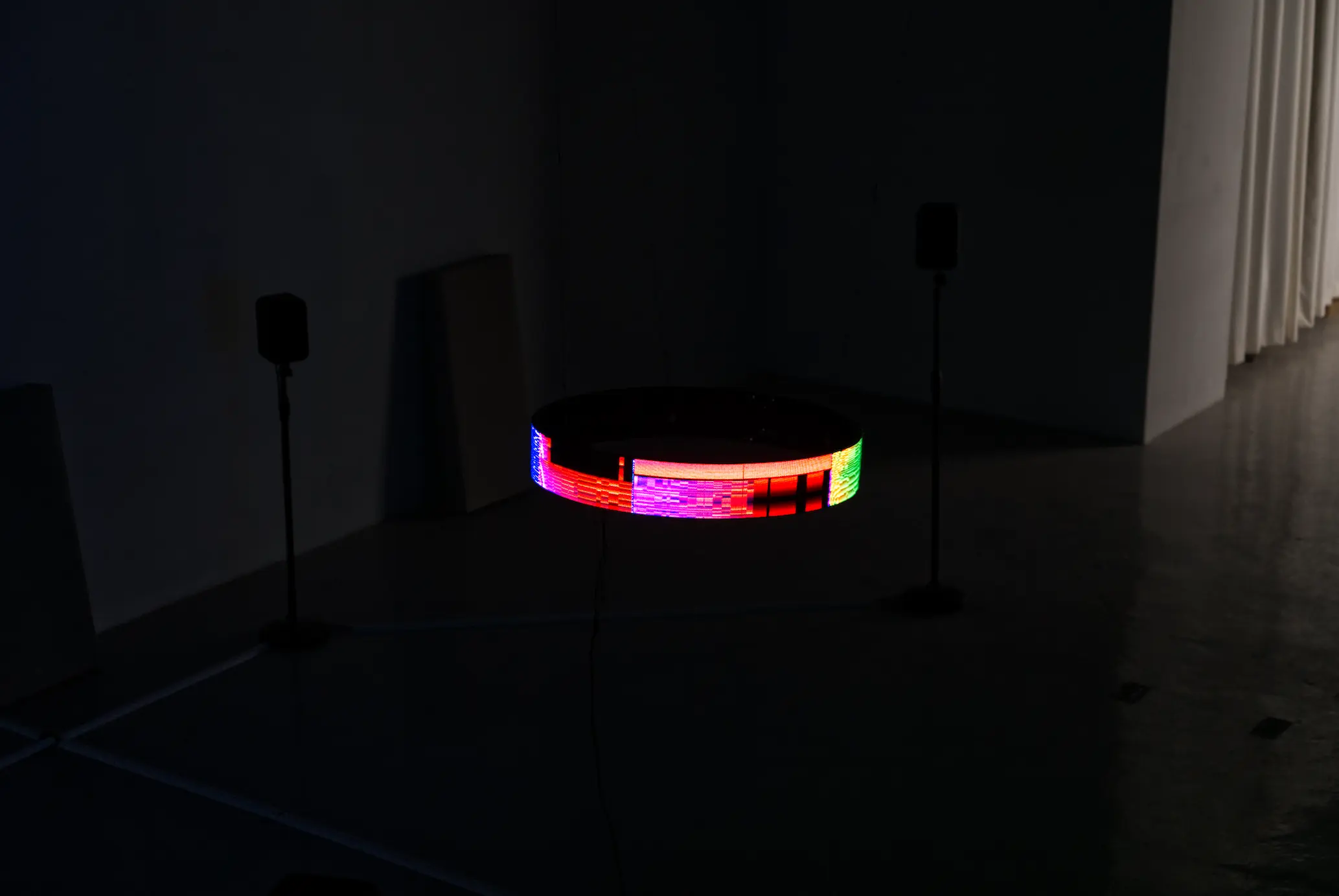
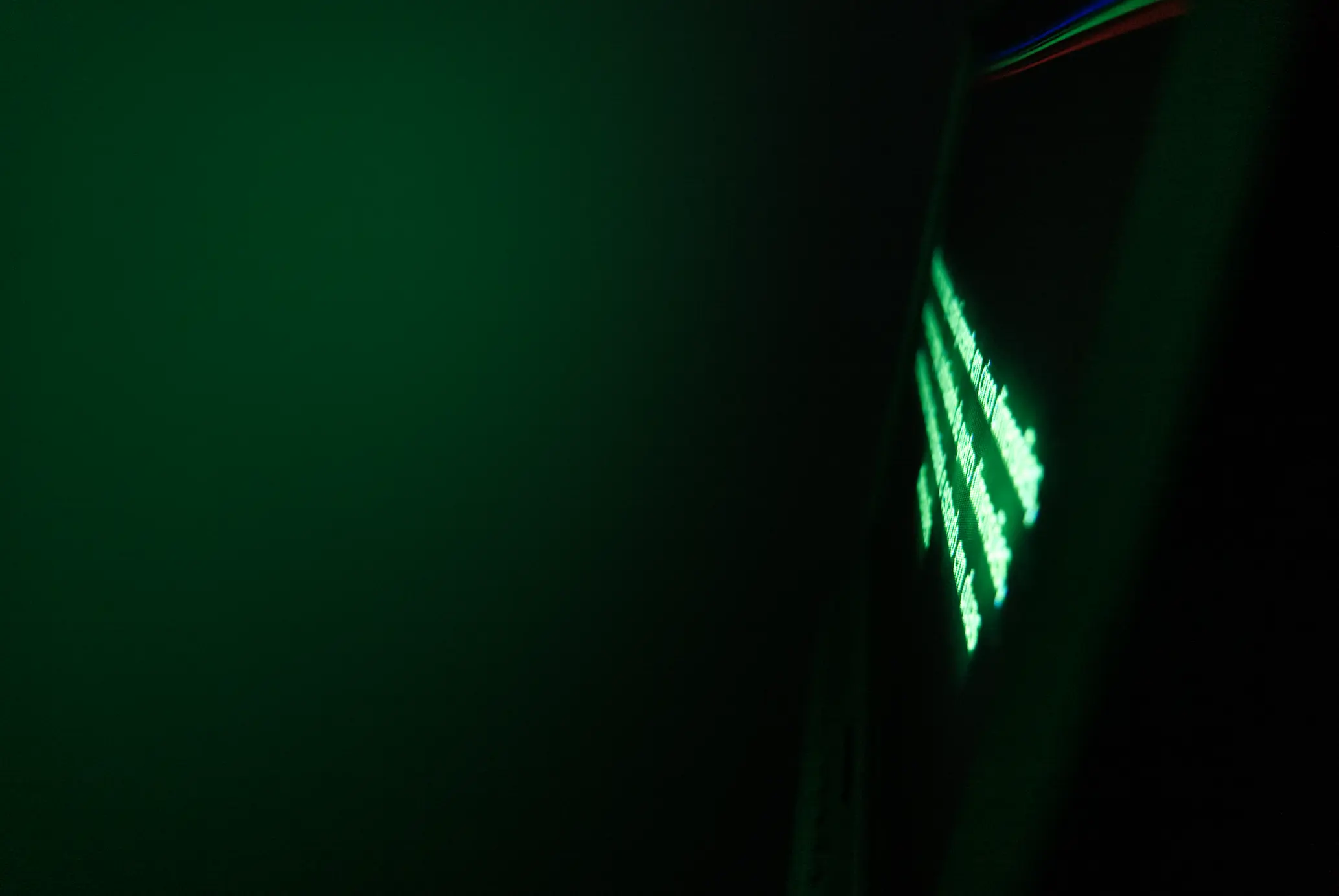
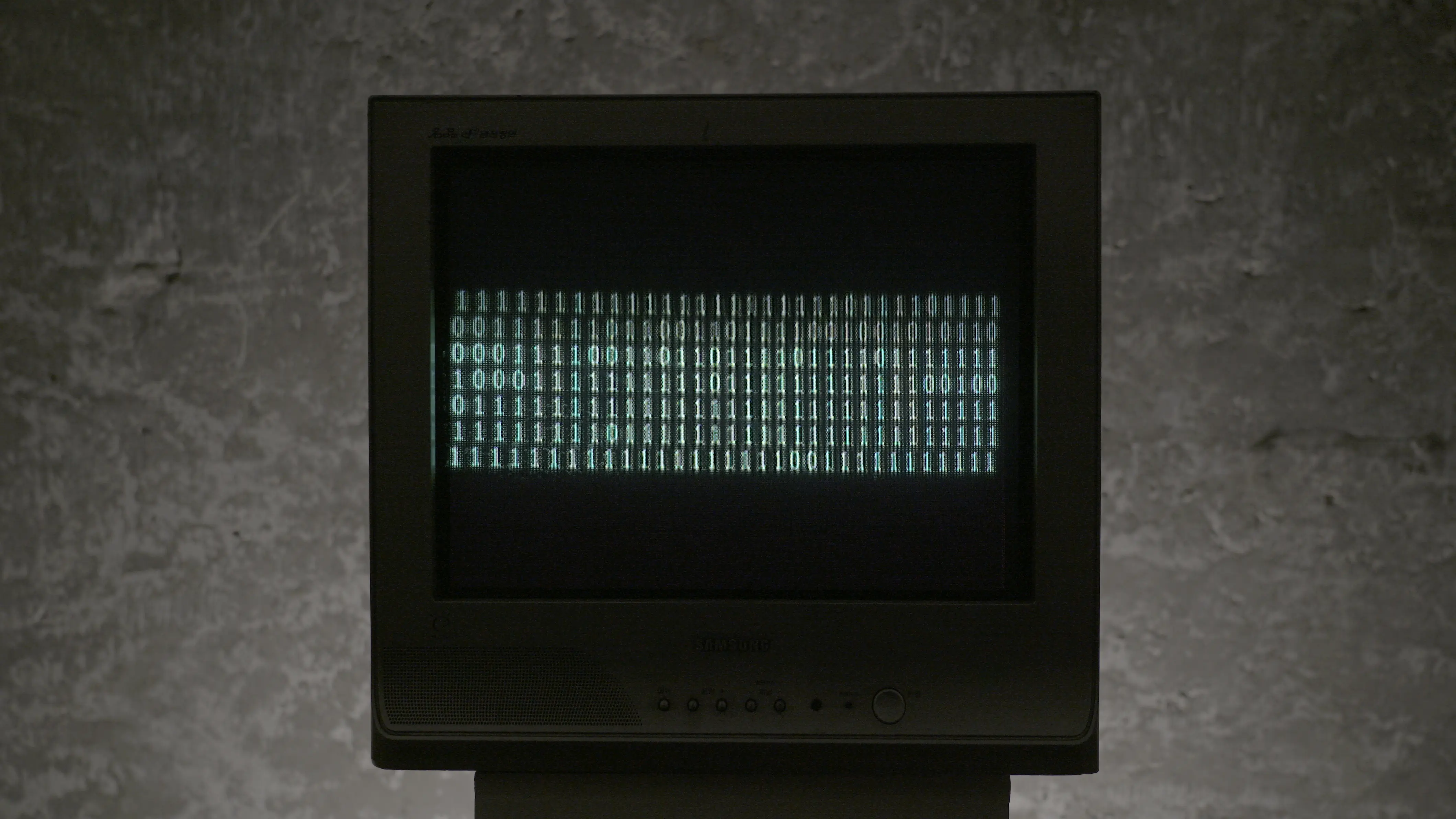
This data sonification series explores the translation of invisible biological data—ranging from COVID-19 RNA sequences to the DNA (CO1, MatK) of native DMZ species—into perceptible sensory experiences. The project precisely categorizes microscopic genetic information, such as base sequences, codons, and amino acids, converting them into multi-layered soundscapes integrated with visual media, including custom LEDs, projection mapping, and AR.
Beyond mere auditory representation, the series constructs virtual ecosystems by incorporating dynamic phenomena like viral spread and food web structures into the sonification algorithm. In this process, the audience synesthetically experiences the flow of genetic data within a human-scale physical space, perceiving the complexity of life and organic connectivity that exists beyond the visible data.